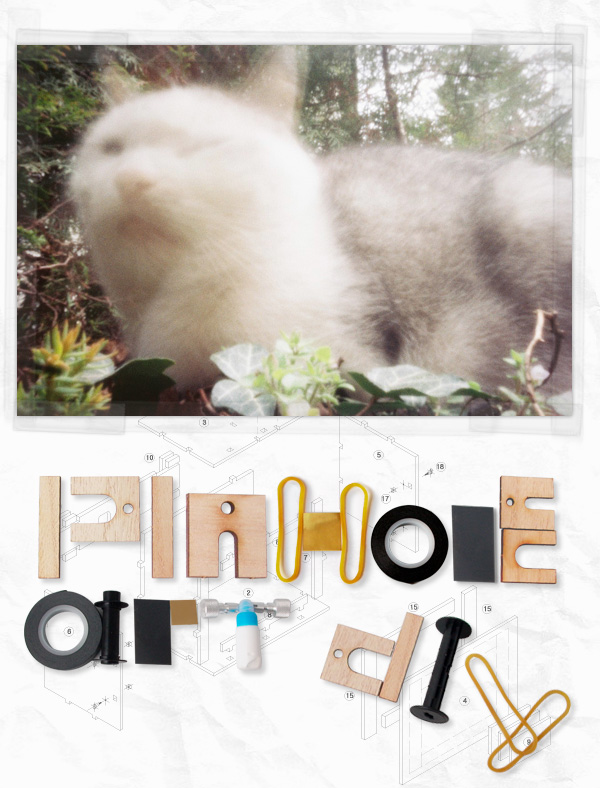

| DO IT YOURSELF PINHOLE PHOTOGRAPHY | ||
|
||
| You’ve seen them around – those enormous digital SLR cameras that are absolutely bursting
with bells and whistles. There’s a huge lens protruding from the front, a big–ass flash charging on the top, and a fat battery pack strapped to the bottom. A touch of the shutter
button activates 167 focus points and rapid fires 400 shots of 12 megapixels each. Not quite pocket–sized, each one weighs approximately as much as a 1971 Volkswagen.
Now, let’s imagine the absolute polar opposite to this scenario. A thin, lightweight camera – with absolutely no lens – that uses the most basic fundamentals of photography to yield a gorgeous image like none other. On top of that, this compact old–school wunderbox was created with your very own hands – using household craft supplies that can be found within a grade–school desk. No silicone wafers needed! The components for each camera have been designed and meticulously produced in small batches by a pinhole lover and self–confessed photography addict in South Korea. Open your heart, clear your schedule, and bust out a glue stick. Your new, old, fascination has arrived. |
||
|
||
| THE WOODEN ADONIS:PINHOLE ART DIY 135 | ||
|
||
 |
|
 |
|
||
|
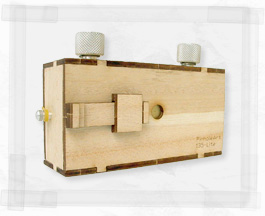
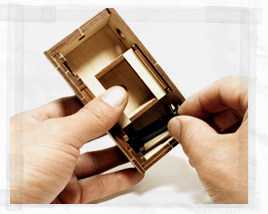
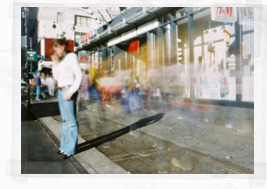
Crafted in gorgeous lightweight blond wood, the DIY 135 is a tiny masterpiece waiting to
spring from your hands. The camera is assembled with ordinary white glue and a few rubberbands (included). It accepts standard 35mm film, which can be processed anywhere. Its
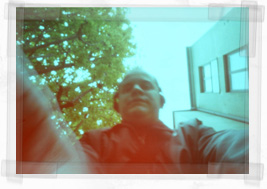
handsome appearance (smooth enough for even the pickiest of design vultures) is well complimented by its soft, dreamlike images.
shop.lomography.com/go/?where=shop&pro=art |
||
|
||
 |
|
 |
|
||
| THE HARD CARD CHAMP: PINHOLE ART DIY COMBO | ||
|
||
 |
|
 |
|
||
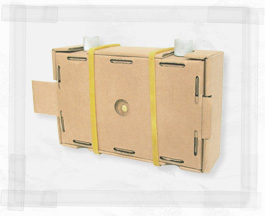
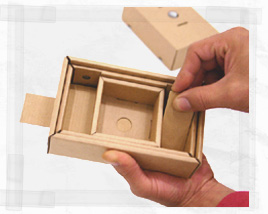
| Smooth cardboard and hard card paper come together to form
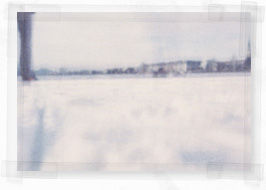
this light brown beauty. Using medium format film, the DIY Combo yields large, dazzling square–format prints – which can stand quite a bit of enlargement and still look like a
million bucks. A red window on the back shows your exposure count – and also allows for easy partial–frame multiple exposures. And the buck doesn't stop there – this
pulp fiction superstar can be instantly transformed into a 35mm camera as well! I tell you, absolutely nothing can stop the shining. shop.lomography.com/go/?where=shop&pro=ar1 |
||
|
||
 |
|
 |
 |
|
 |
|
||
| PINHOLE LOMOGRAPHY | ||
|
||
|
Being the wildly curious, hyperactive, globe-trotting, endlessly experimental, and relentlessly shooting individuals that they are, Lomographers are perfect candidates for Pinhole use
and mastery. Consequently, they deserve nothing less than a shining, five–story mansion for all things Pinhole on Lomography.com. Please accept our invitation to open the door and
enter our Pinhole Palace – the global Lomographic base for pinhole cameras, galleries, accessories, tips, tricks, news, and gossip. Step inside – you can even keep your shoes on.
shop.lomography.com/pinhole | ||
|
||
| ABOUT PINHOLES | ||
|
||
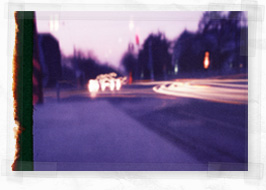
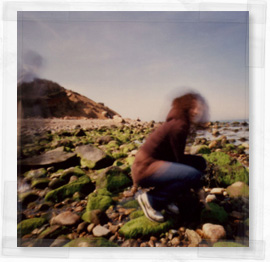
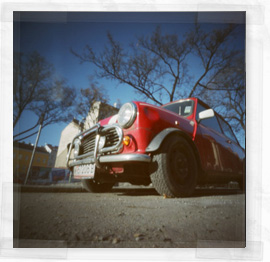
| A pinhole camera has no lens. In its place is an extremely small aperture (f/138 for the Zero Image Pinhole's) through which exterior light is projected onto sensitive film or paper. A lens functions by collecting the light rays outside, inverting them, and focusing them into a smaller image. A pinhole does not focus at all. It merely acts as a "center of projection" inverting the light rays without re–organizing them. The size of the inverted image depends on the distance of the pinhole to the projection surface – a closer distance yields a smaller image and vice–versa. As the hole is not truly a point, it allows more than only one ray from the subject to register on the film. This imparts a characteristic "soft focus" effect. Moreover, as the light is not altered, the pinhole has nearly unlimited depth of field, with reasonably close objects registering at the same sharpness as far away objects (okay, REALLY close objects will be blurred!). As the pinhole is so tiny, it yields a wide–angle focal view and reproduces true geometrical lines, unlike the usual curved effect of a wide–angle lens. It also requires a fairly long exposure time – about 2 seconds in bright sunlight! | ||
|
||
|
||
|
||
|
||
| UNSUBSCRIBE | CHANGE FORMAT | WWW.LOMOGRAPHY.COM Do not reply to this email! This email is being sent by an automated message system. Replies sent to news@thelomographer.com will not be received. To unsubscribe, please use the link provided in this newsletter. To contact us, send an e-mail to contact@lomography.com. WWW.LOMOGRAPHY.COM/CONTACT |
||